Complete Guide to Rubber Mixing Processes
Understanding the fundamentals of rubber mixing is essential for achieving consistent compound quality. Rubber mixing is one of the most critical operations in rubber processing, as it determines the dispersion of fillers and additives that ultimately affect product performance. According to the ACS Rubber Division, proper mixing is essential for achieving desired physical properties and processing characteristics.
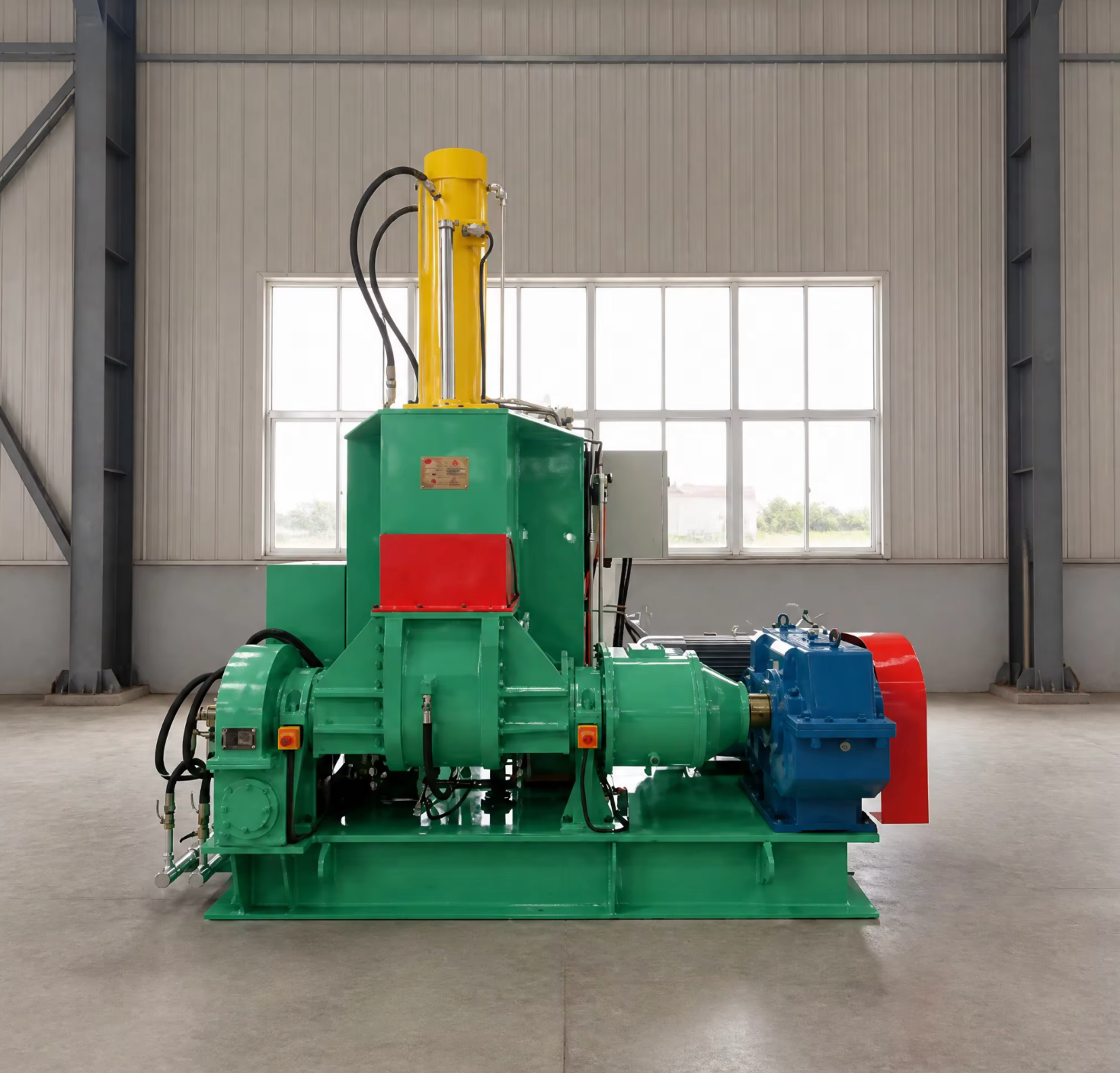
Internal mixing in kneaders provides intensive dispersive mixing for carbon black and filler incorporation. The enclosed mixing chamber generates high shear forces that break down filler agglomerates and distribute them throughout the rubber matrix. Modern internal mixers feature sophisticated control systems that monitor and adjust mixing parameters in real-time.
Open mill mixing on two-roll mills allows for visual monitoring and fine-tuning of compound properties. The open design enables operators to observe compound behavior and make adjustments as needed. Mills are also essential for warming pre-mixed compounds and adding temperature-sensitive curatives.
Key parameters include batch temperature, mixing time, rotor speed, and fill factor. Each parameter affects the mixing outcome and must be carefully controlled. Temperature control is particularly important as it affects rubber viscosity and filler dispersion.
Proper mixing sequence ensures optimal dispersion of ingredients and consistent batch-to-batch quality. The sequence typically includes mastication, filler addition, oil addition, and final curative blending. Each stage has specific objectives and target conditions.
For rubber mixing equipment, Hongdu Machinery offers a complete range of internal mixers and open mills suitable for various production volumes and compound types.
Technical resources from Rubber News and Rubber World provide insights into mixing technology and best practices.


