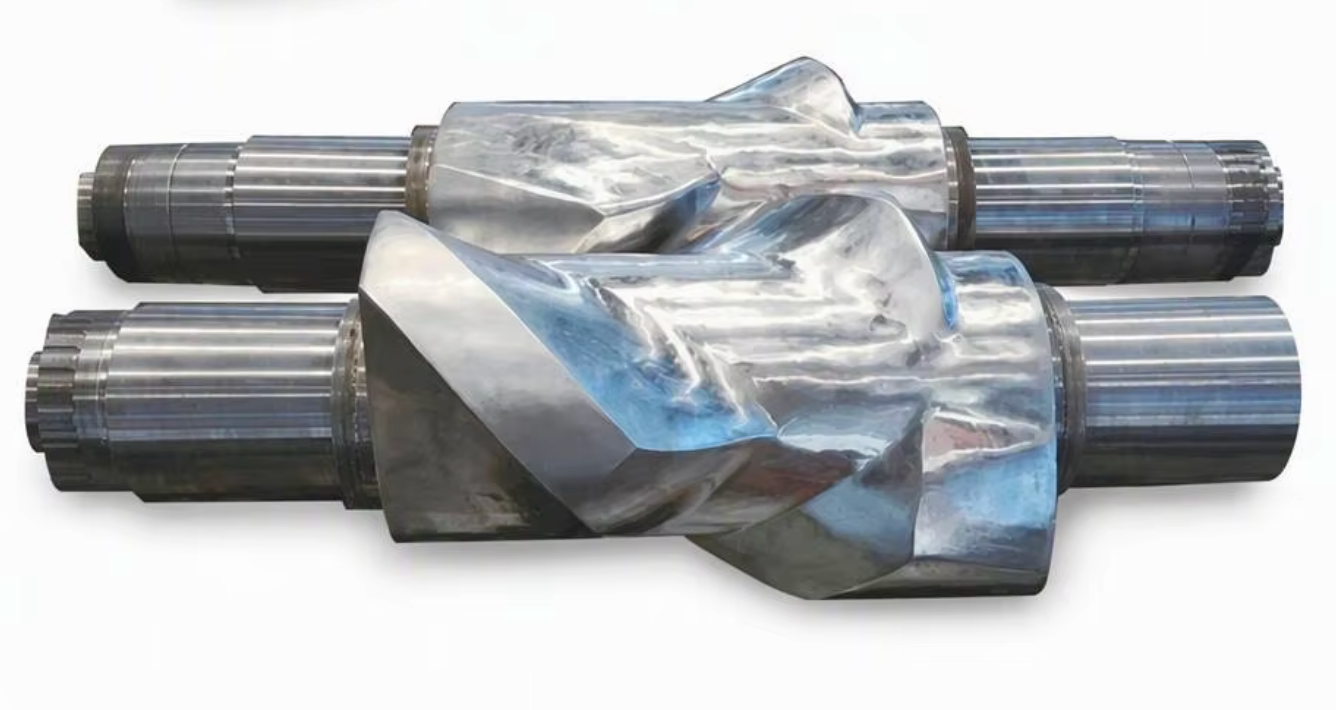
Kneader Shear Rotor Technology: Advances in Mixing Efficiency
Modern shear rotor designs incorporate computational fluid dynamics and advanced materials to maximize mixing efficiency while minimizing energy consumption and wear. Rotor technology has evolved significantly from early empirical designs to sophisticated geometries optimized through computer simulation and extensive testing.
CFD analysis allows engineers to optimize rotor flight geometry for specific compound types and mixing objectives. Simulation tools model material flow patterns, shear distribution, and temperature rise during mixing. This enables design optimization before physical prototypes are manufactured, reducing development time and cost.
New rotor designs feature variable pitch flights that adapt shear intensity throughout the mixing cycle. Low-pitch sections provide high shear for dispersive mixing, while high-pitch sections promote distributive mixing and material transport. This adaptive approach improves overall mixing efficiency compared to constant-pitch designs.
Advanced materials including powder metallurgy alloys and ceramic matrix composites offer superior wear resistance compared to traditional alloy steels. These materials extend rotor life when processing abrasive compounds containing high filler loadings. The Oerlikon Metco technical resources provide information on advanced surface treatments.
Surface engineering techniques such as laser cladding and thermal spray coatings create hard, wear-resistant surfaces while maintaining tough substrate materials. Tungsten carbide overlays provide exceptional abrasion resistance. Stellite coatings offer good wear resistance with lower cost.
These technological advances enable rubber processors to achieve better dispersion quality with shorter mixing cycles and lower energy consumption. Improved rotor designs also reduce compound temperature rise, benefiting heat-sensitive formulations.
For kneader rotors with advanced designs and materials, Hongdu Machinery supplies replacement rotors featuring optimized geometries and wear-resistant coatings to improve mixing performance and extend service life.
Research from institutions like RAPRA and publications in polymer engineering journals provide insights into rotor design optimization.


